Intellectual-property ownership and permission
Identify the relevant trademark, patent, copyright, design, mould, tooling, software, and know-how claims and the documents supporting the right to use them.

Supplier compliance assessment
A supplier may be legally registered yet still create intellectual-property, licensing, subcontracting, contract, or export-control exposure. A compliance audit should be scoped around the product, rights, destination market, and manufacturing arrangement rather than repeating a general company background report.
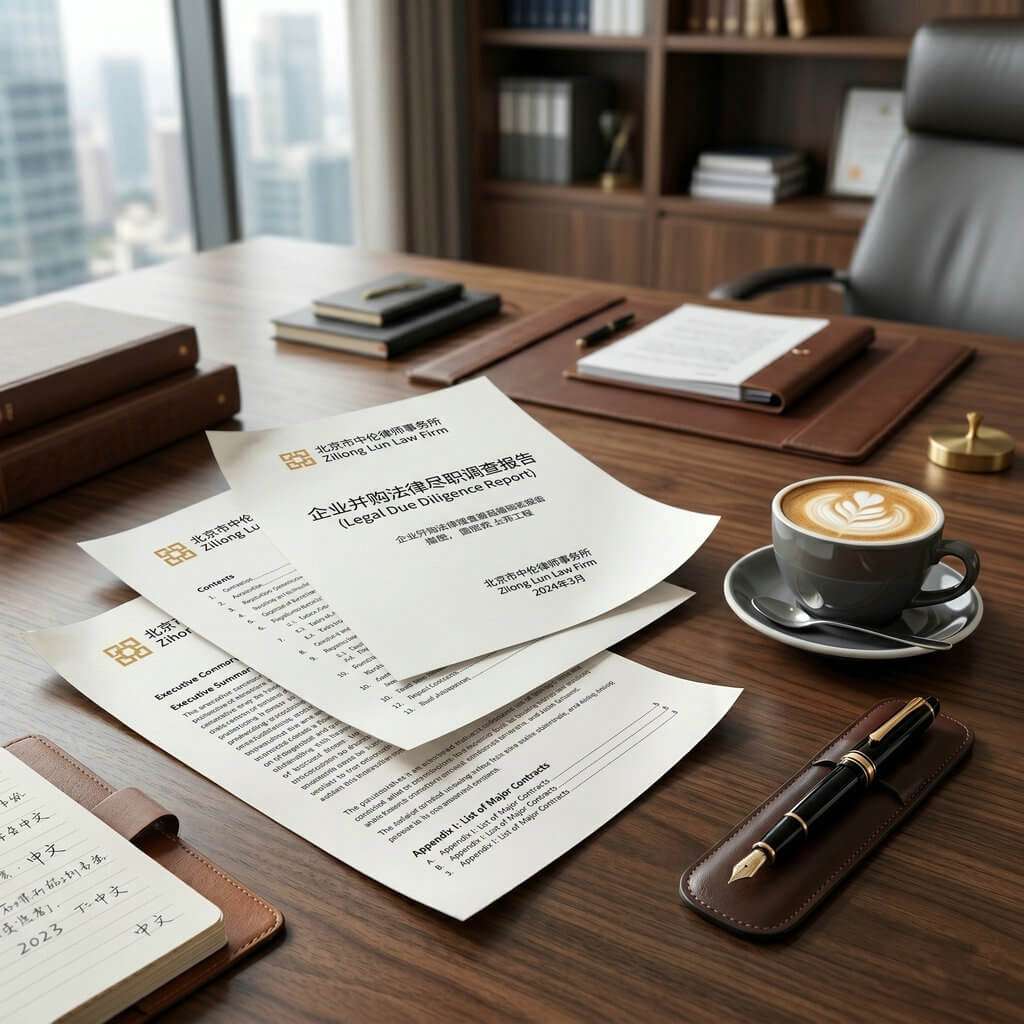
Identify the relevant trademark, patent, copyright, design, mould, tooling, software, and know-how claims and the documents supporting the right to use them.
Compare the supplier’s registered scope and available permits with the product, process, or export activity that it is expected to perform.
Review who actually manufactures, owns tooling, accesses confidential material, and remains responsible when work is passed to another factory.
Examine how specifications, confidentiality, IP ownership, inspection, remedies, and document obligations are allocated and evidenced.
Describe the goods, manufacturing method, destination market, rights involved, and commercial controls that must be tested.
Confirm the supplier and relevant affiliates, then map owners, licence holders, subcontractors, and contracting parties.
Compare available registrations, rights records, permits, contracts, policies, and supplier evidence for gaps or inconsistencies.
Separate blockers, evidence requests, contract changes, monitoring needs, and issues that require specialist legal or technical advice.
Work layer: Public scope explanation Confirmed on this page: Questions, documents, workflow, limits, and an inquiry route Confirmed only after assessment: Specific professional engagement, fee, timing, and responsible people
Work layer: Starts with client and public material Confirmed on this page: Facts to verify and gaps to resolve Confirmed only after assessment: Admissibility, translation, notarization, or specialist opinion for a formal procedure
Work layer: No outcome guarantee Confirmed on this page: A framework for the next assessment Confirmed only after assessment: Payment, settlement, victory, enforcement, compliance, or closing result
These scenarios explain the assessment method; they are not client cases, outcome claims, or legal conclusions.
Check ownership, manufacturing authorization, territory, product classes, subcontracting, and the documents that should accompany production.
Compare the claimed process with available scope and permit evidence, then identify what must be verified by a technical or on-site reviewer.
Map ownership, custody, access, return obligations, subcontractor use, and evidence needed to prevent unauthorized production.
No. A company investigation is broader background work; a compliance audit is shaped around product, rights, licences, contracts, and supply-chain controls.
No. It identifies available evidence, gaps, and risk questions within scope. It is not an outcome guarantee.
A legal opinion or professional engagement must be separately confirmed after scope and qualifications are reviewed. This page does not claim one automatically.
Provide contracts, specifications, drawings, licence claims, IP records, supplier questionnaires, factory details, destination markets, and known concerns.
On-site or technical work is not assumed. It must be scoped separately when physical verification is necessary.
No fixed fee is promised. Product complexity, jurisdictions, entities, document volume, rights, and specialist work determine scope.
Submit the entity, documents, amount, chronology, and decision you need to make. Facts, scope, and applicable requirements must be reviewed before any professional engagement, fee, or timing is confirmed.
Send an inquiry